Why PrTMS?

Why PrTMS uses EEG-informed planning and reassessment

PrTMS-informed planning considers measured brain-function data, patient-reported information, and qualified-provider review instead of relying on one planning assumption for every patient.

Distinguishes planning from standard protocols
Explains the role of EEG and symptom data
Keeps clinician approval central
Why PrTMS uses EEG-informed planning and reassessment
Patient-focused PrTMS visual
Summary

Personalization should be visible in the process

The term personalized is useful only when the clinic can explain what information is collected, who reviews it, and how it may affect the treatment plan.

This page separates those steps from outcome promises so patients can ask specific questions before deciding whether to continue the conversation.

Difference

How PrTMS differs from a fixed TMS protocol

Standard TMS follows an established protocol for a defined indication. PrTMS-informed planning adds patient-specific data to the discussion before a qualified provider approves a treatment plan.

The practical difference is the process: measurement, clinician review, and reassessment are used to decide whether and how a plan should be adjusted over time.

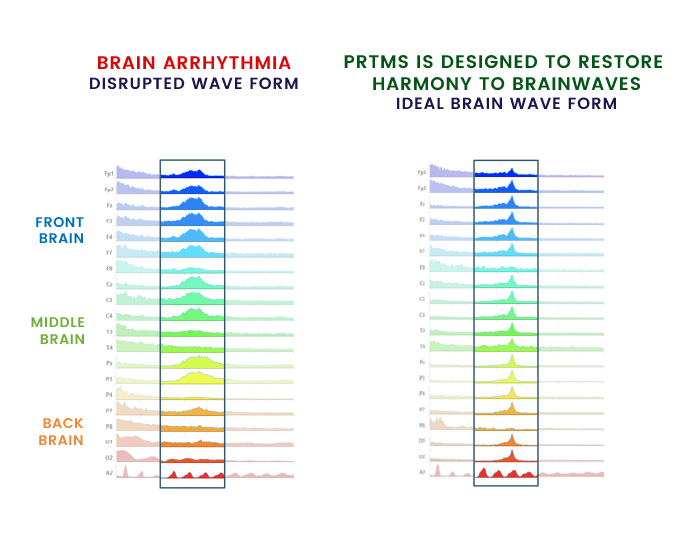
PrTMS graphic used on the original Why PrTMS page
Customization

How the page explained a customized plan

EEG brainwave analysis and patient-reported symptom information can be considered together when the team prepares a proposed treatment plan.

A qualified provider reviews and approves the plan before treatment. Personalization does not guarantee a result, and it does not replace the clinical decision about whether TMS is appropriate.

  • Objective EEG data
  • Subjective symptom and neurocognitive feedback
  • Provider-reviewed, patient-specific treatment planning
Ongoing Adjustment

Why reassessment matters

R Hope describes reassessment as a way to review brain-function data and the patient response during treatment rather than treating the first plan as permanently fixed.

Any change should be based on the available information and qualified-provider review. Patients should ask what is being measured, how often it is reviewed, and what would justify an adjustment.

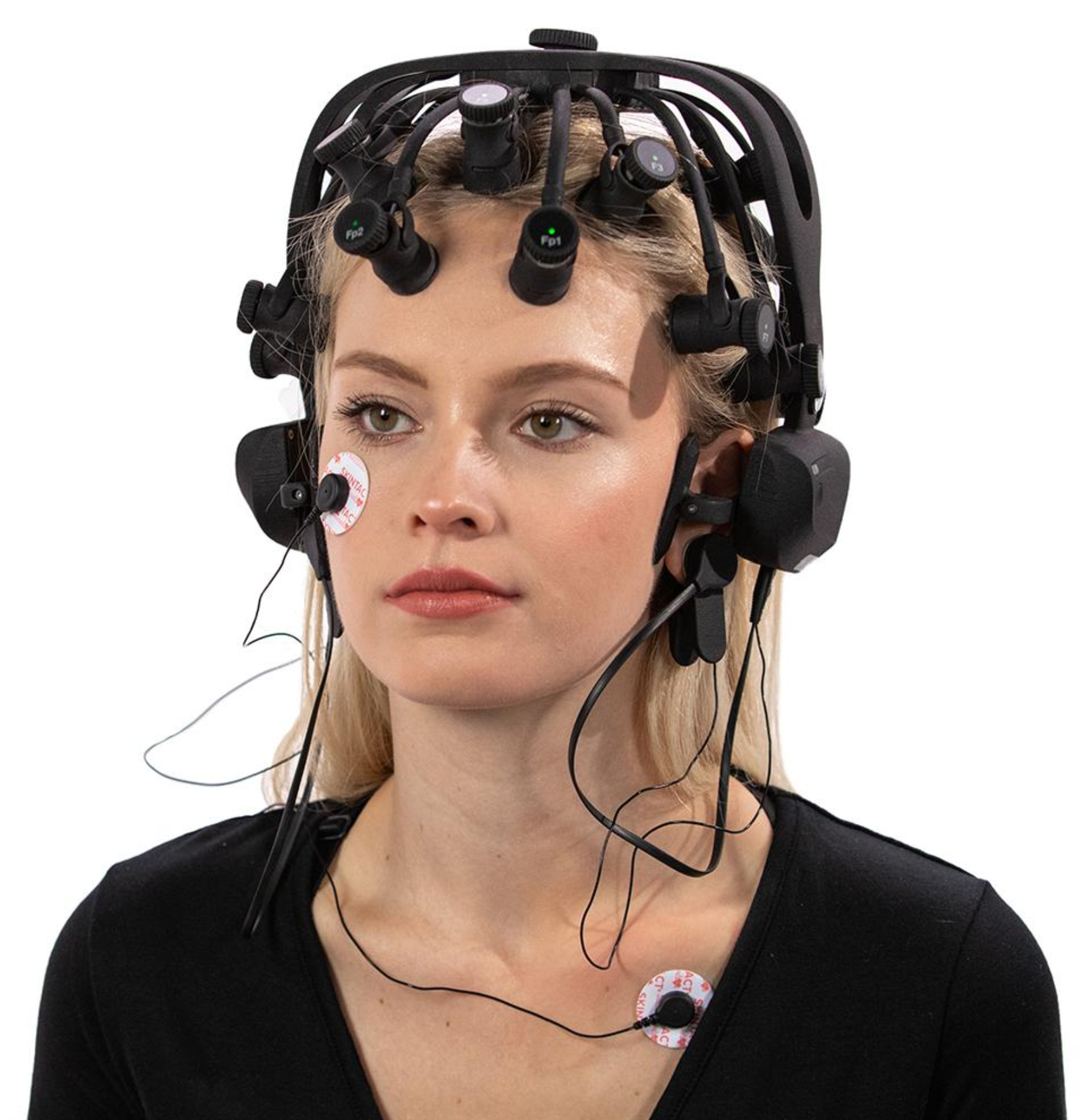
Patient wearing an EEG cap during assessment
Talk through your options

Schedule a TMS consultation

Ask about treatment fit, insurance eligibility, PrTMS-informed planning, and what the next step would look like.

Visit us

1335 Dodge Ave, Evanston IL 60201

Family-owned clinic focused on clear planning, eligibility review, and practical support for patients and families.

Need to talk first?

(847) 868-9369

Call now for questions about fit, insurance, or the best treatment path.