
Brain Arrhythmia

A simple way to explain disrupted brainwave rhythm

This page preserves the core idea from the old site: irregular or poorly synchronized brainwave patterns may help explain why some patients need a more personalized treatment plan.

Explains the old site’s core term
Connects disrupted rhythm to EEG review
Links the concept back to individualized care
A simple way to explain disrupted brainwave rhythm
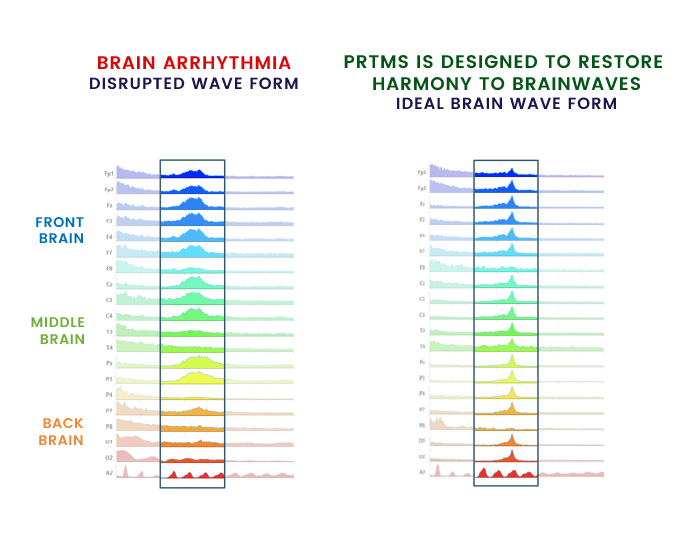
Brain activity comparison visual
Why this page existed

A bridge between symptoms and measurement-informed care

The old WordPress page was brief, but it filled an important gap. It gave patients and families a plain-language explanation for why the clinic focuses on rhythm, synchronization, and repeated EEG review instead of only talking about symptoms in broad terms.

In that sense, Brain Arrhythmia was not a separate treatment page. It was a concept page designed to make the rest of the PrTMS story easier to understand.

Definition

What the old page meant by brain arrhythmia

The original page compared brain arrhythmia to an irregular heartbeat pattern: just as the heart can fall into an unhealthy rhythm, brainwave activity can become disrupted or poorly synchronized.

The page was intentionally simple. Its purpose was to help visitors understand why R Hope talks so much about rhythm, timing, and individualized wave patterns instead of treating every neurological condition as the same problem.
Patient-focused PrTMS graphic from the old site
Why It Matters

When disrupted wave patterns affect daily function

The old site positioned irregular brainwave patterns as one possible lens for understanding symptoms that show up in mood, cognition, sleep, focus, or overall regulation.

That framing connects directly to why the clinic uses EEG review. If the brain is not operating in a stable pattern, treatment planning should pay attention to those functional differences rather than rely only on diagnosis labels.

  • Mood regulation can feel harder
  • Focus and mental stamina may drop
  • Sleep and recovery patterns can shift
EEG Insight

Why EEG sits at the center of the conversation

R Hope uses EEG because it gives an objective look at cortical activity. The clinic pairs that data with symptom reports and neurocognitive feedback to understand how a patient is functioning, not just how they are diagnosed.

That makes this page a useful bridge to the rest of the site: the term brain arrhythmia is really shorthand for why personalized, measurement-informed care matters.

Brainwave comparison visual from the original site
Start feeling better this month

Book Your Appointment!

Covered by most insurance plans. Free consultation and EEG included.

Visit us

1335 Dodge Ave, Evanston IL 60201

Family-owned provider focused on making PrTMS accessible for individuals and families.

Need to talk first?

(847) 868-9369

Call now for questions about fit, insurance, or the best treatment path.