
What Is PrTMS?

Understanding the personalized TMS model behind the R Hope message

This page keeps the key educational points from the old site: PrTMS was presented as a more individualized way to plan TMS, using EEG and ongoing review instead of a fixed average protocol.

Built around patient-specific brain function data
Designed to avoid a one-size-fits-all protocol
Approved and reviewed by qualified providers
Understanding the personalized TMS model behind the R Hope message
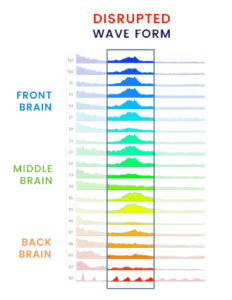
Animated wave illustration
Old page, preserved

A short educational page that still matters

The original What Is PrTMS page was one of the cleanest explanations on the old site. Instead of trying to sell treatment with broad claims, it focused on why personalization matters and how EEG changes the conversation.

That is exactly why this route is worth keeping in the new build too: it answers a very specific question that patients may still search for directly.

About PrTMS

An individualized alternative when standard approaches fall short

The original page described PrTMS as a therapeutic approach built to personalize TMS delivery rather than apply one fixed protocol to every patient.

It also positioned PrTMS as a conversation worth having when conventional treatment has not produced the progress a patient hoped for, especially if the goal is to look deeper at how the brain is functioning.

  • Personalizes TMS delivery
  • Uses biometric and symptom data together
  • Requires provider approval of the treatment plan
PrTMS logo from the original site
Why Personalization Matters

Why the old page pushed back against one-size-fits-all TMS

The old copy used a simple medical analogy: doctors do not prescribe the same drug dose to every patient, even when symptoms overlap, so brain stimulation should not be treated as if every brain responds the same way either.

That point remains one of the clearest explanations of PrTMS on the old site. The goal is not just to stimulate the brain, but to do it in a way that reflects the patient’s personal optimal frequency rather than a generic average.

EEG and Brain Function

How the page explained objective data

The page highlighted EEG as the objective side of the evaluation process. Alongside symptom surveys and neurocognitive testing, EEG offers another layer of information about cortical activity and functional disturbance.

That combination is what the old site used to define PrTMS: not simply magnetic stimulation, but magnetic stimulation shaped by measured brain-function data and reviewed by a qualified provider.

Animated wave visual used on the original site
Start feeling better this month

Book Your Appointment!

Covered by most insurance plans. Free consultation and EEG included.

Visit us

1335 Dodge Ave, Evanston IL 60201

Family-owned provider focused on making PrTMS accessible for individuals and families.

Need to talk first?

(847) 868-9369

Call now for questions about fit, insurance, or the best treatment path.