
Condensed timeline
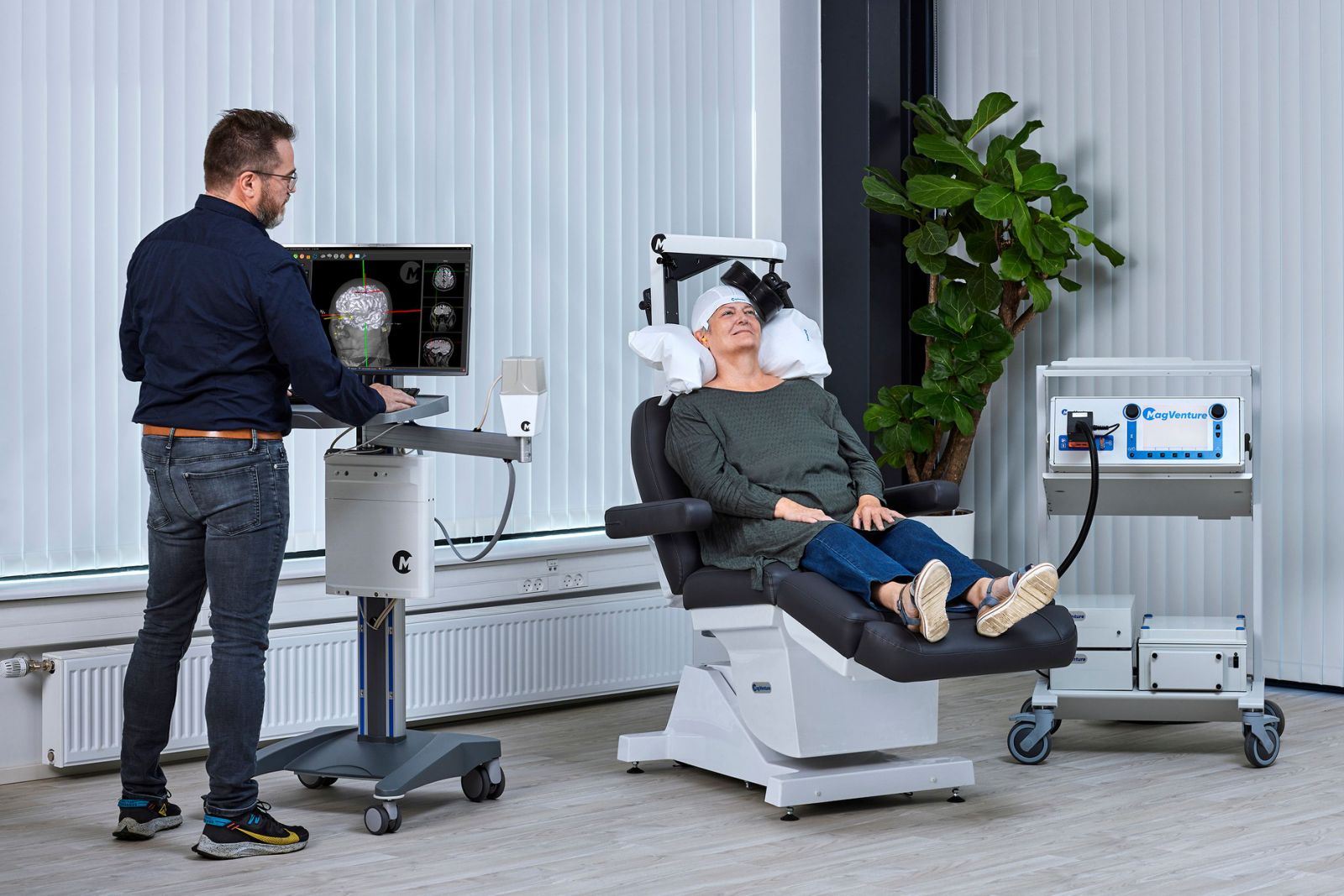
Accelerated TMS delivers a full course in about 5 days rather than stretching across a typical 6 to 9 week schedule.
R Hope offers advanced, evidence-informed TMS options for patients exploring a condensed treatment timeline, pain-related peripheral stimulation, stroke recovery support, or other cases that may need something beyond a standard protocol.

Condensed timeline
5 days
Instead of a traditional course spread over roughly 6 to 9 weeks.
Accelerated TMS is already well researched and has shown strong results for many patients.
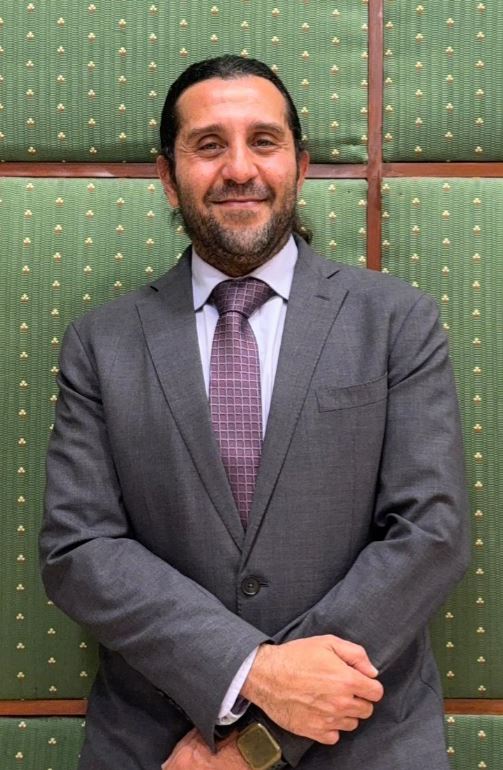
Our collaboration with Dr. Adel Marei and Brains' Clinic in Egypt helps R Hope expand the range of advanced TMS protocols available for patients whose needs go beyond a standard treatment plan.
Brains' Clinic was positioned on the original site as the Middle East's premier TMS center, and Dr. Adel Marei as a pioneer in the field. The goal of carrying that collaboration forward here is practical: bring more specialized experience into local care when a case may benefit from condensed treatment or other off-label applications.
Accelerated TMS condenses treatment into a much tighter window without turning it into guesswork. The schedule is more intensive, but the care remains deliberate, monitored, and built around patient fit.
What changes most
The full therapeutic course can be delivered in about 5 days rather than being spread across a typical 6 to 9 week schedule.
Accelerated TMS delivers a full course in about 5 days rather than stretching across a typical 6 to 9 week schedule.
Patients complete multiple sessions per day with breaks, monitoring, and a plan that stays medically supervised throughout.
Screening matters. History, symptoms, safety considerations, and goals are reviewed before an accelerated path is recommended.
Accelerated TMS is generally offered on an out-of-pocket basis because insurance coverage is uncommon at this time.
TMS is not only discussed in mental health settings. It is also FDA-cleared for reducing the frequency and severity of migraine attacks, and depending on the clinical picture, specialized stimulation can be used for pain-related symptoms, nerve irritation, and rehabilitation-focused support.
In these cases, protocols are selected according to the area being treated and the function the team is trying to support. Peripheral stimulation may be delivered directly at the site of pain or along peripheral nerves rather than targeting the brain, depending on the goal of treatment.
Specialized stimulation can be used at the site of pain or along peripheral nerves to help reduce chronic or neuropathic discomfort.
TMS may support mobility, function, and recovery in patients working through post-stroke limitations.
Protocols can also be considered when nerve irritation, compression, or musculoskeletal dysfunction is part of the picture.
This page is about advanced TMS applications, including care that goes beyond standard depression treatment timelines.
A shorter or more specialized protocol does not mean skipping the basics. The process still starts with evaluation, planning, and clarity about what the treatment week would actually involve.
Key expectation
The team explains candidacy, scheduling, supervision, and the likely pace of treatment before recommending an accelerated or off-label protocol.
Step 1
We review diagnosis, prior treatment, symptom pattern, and whether accelerated or off-label care makes sense for your situation.
Step 2
The team chooses between accelerated TMS, peripheral stimulation, or another advanced approach based on your goals and clinical history.
Step 3
Sessions are scheduled according to the selected protocol, whether that means multiple daily accelerated sessions or targeted peripheral treatment.
Step 4
Response, tolerability, and next steps are reviewed throughout treatment so the plan stays grounded in how you are actually doing.
Yes. With proper screening and medical supervision, accelerated protocols are considered safe for appropriate patients.
It may be considered for patients who need a shorter timeline or who are exploring advanced options beyond a standard course. Eligibility still depends on screening, symptoms, diagnosis, and medical history.
Some patients notice changes quickly, while others need more time. Response varies, which is why expectations are discussed before treatment begins.
Accelerated TMS is usually not covered by insurance and is generally offered on an out-of-pocket basis. Coverage for standard TMS may differ by insurer and diagnosis.
In some cases, yes. TMS and peripheral stimulation can be considered for chronic pain, nerve-related symptoms, and stroke rehabilitation support depending on the clinical picture.
Talk with the R Hope team about fit, timeline, safety, and whether accelerated or off-label care is the right next move for your situation.
Before treatment starts
Advanced protocols are best discussed case by case. The first conversation is where the team can clarify whether a condensed schedule, peripheral stimulation, or another path is actually appropriate.
That includes realistic discussion around timing, self-pay expectations, and whether a more standard TMS plan may still be the better option.